AI image generation for E-Commerce: creating product visuals

One of the most direct applications of AI in e-commerce is the creation of product images themselves. Businesses can use AI to generate photos of non-existent products for prototyping and market testing before committing to manufacturing. This allows for rapid iteration on design concepts based on visual feedback, saving considerable resources. For physical products, AI can place items into realistic settings, creating lifestyle photos that showcase them in use.
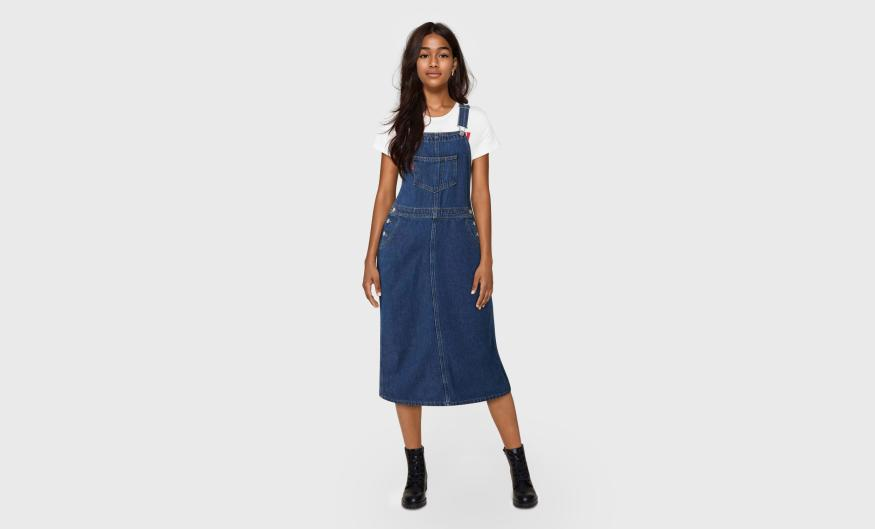
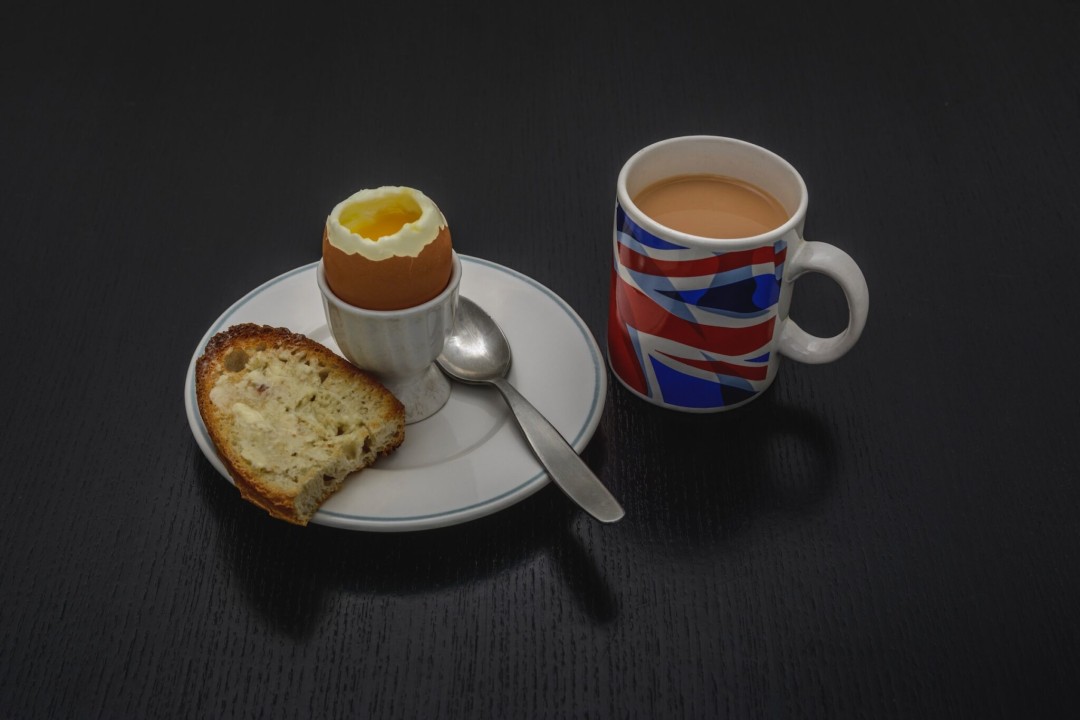
A simple prompt can generate a backpack on a hiking trail, a coffee mug on a rustic kitchen table, or a dress in a bustling urban setting. This contextualization helps customers imagine owning and using the product, which is a critical factor in the purchasing decision. Beyond standard product shots, AI excels at creating supplemental visuals that enrich the shopping experience. You can generate detailed close-ups highlighting specific textures, fabrics, or materials. It can produce images showing a product from multiple angles or in various color variants without requiring a separate photoshoot for each option.
This versatility extends to creating cohesive background imagery for product listings, ensuring a consistent and professional look across an entire catalog. The technology also allows for the creation of unique patterns and graphics that can be applied to products like apparel, home decor, or stationery, offering endless possibilities for customization and unique brand expressions.
Crafting compelling marketing assets
The utility of AI image generation extends far beyond the product page into the broader realm of marketing and advertising. E-commerce brands require a constant stream of fresh visual content for social media posts, email campaigns, digital advertisements, and blog illustrations. AI tools can rapidly produce this content, tailored to specific platforms and campaign themes. For instance, you can generate a series of vibrant and engaging visuals for a social media carousel ad, all maintaining a consistent aesthetic that reinforces brand identity. This capability ensures that marketing teams are never short of high-quality graphics to support their content calendars.
Creating compelling ad creatives for A/B testing becomes remarkably efficient with AI. Marketers can quickly generate multiple versions of an ad image with slight variations in style, composition, or model appearance to determine which resonates best with their target audience. This data-driven approach to visual content optimizes advertising spend and improves conversion rates. Furthermore, AI can be instrumental in building a unique brand story. It can generate abstract concepts, metaphorical representations, and stylized artwork that align with a brand’s values and messaging, setting it apart from competitors who rely solely on generic stock photography. This level of creative control fosters a stronger and more memorable connection with potential customers.
Best practices for optimal results
Achieving professional results with AI image generators requires a strategic approach. The foundation of a great AI image is a detailed and descriptive text prompt. Instead of a simple command, effective prompts are rich in context, specifying the subject, style, mood, composition, lighting, and color palette. Referencing the names of specific artistic styles or photographic techniques can guide the AI toward the desired output. It is crucial to maintain a consistent visual style across all generated images to build a coherent brand identity. Establishing a set of core guidelines for your prompts regarding color schemes, lighting, and composition will ensure that all assets feel like part of a unified whole.
Ethical considerations and legal awareness are paramount when using AI-generated imagery. It is essential to review the terms of service of the AI tool you are using to understand copyright and commercial usage rights. Moreover, a critical best practice is to meticulously review every generated image for accuracy and appropriateness before publishing. AI models can sometimes produce errors, unrealistic details, or artifacts. A human in the loop is necessary for quality control to ensure that the final visuals meet professional standards and accurately represent your products and brand. This careful oversight guarantees that the technology serves as a reliable and effective partner in your e-commerce visual strategy.
AI Catalog's chief editor
Share on social networks:



.jpg)